
Sandy Springs, Georgia
Water Damage Restoration in Sandy Springs, GA
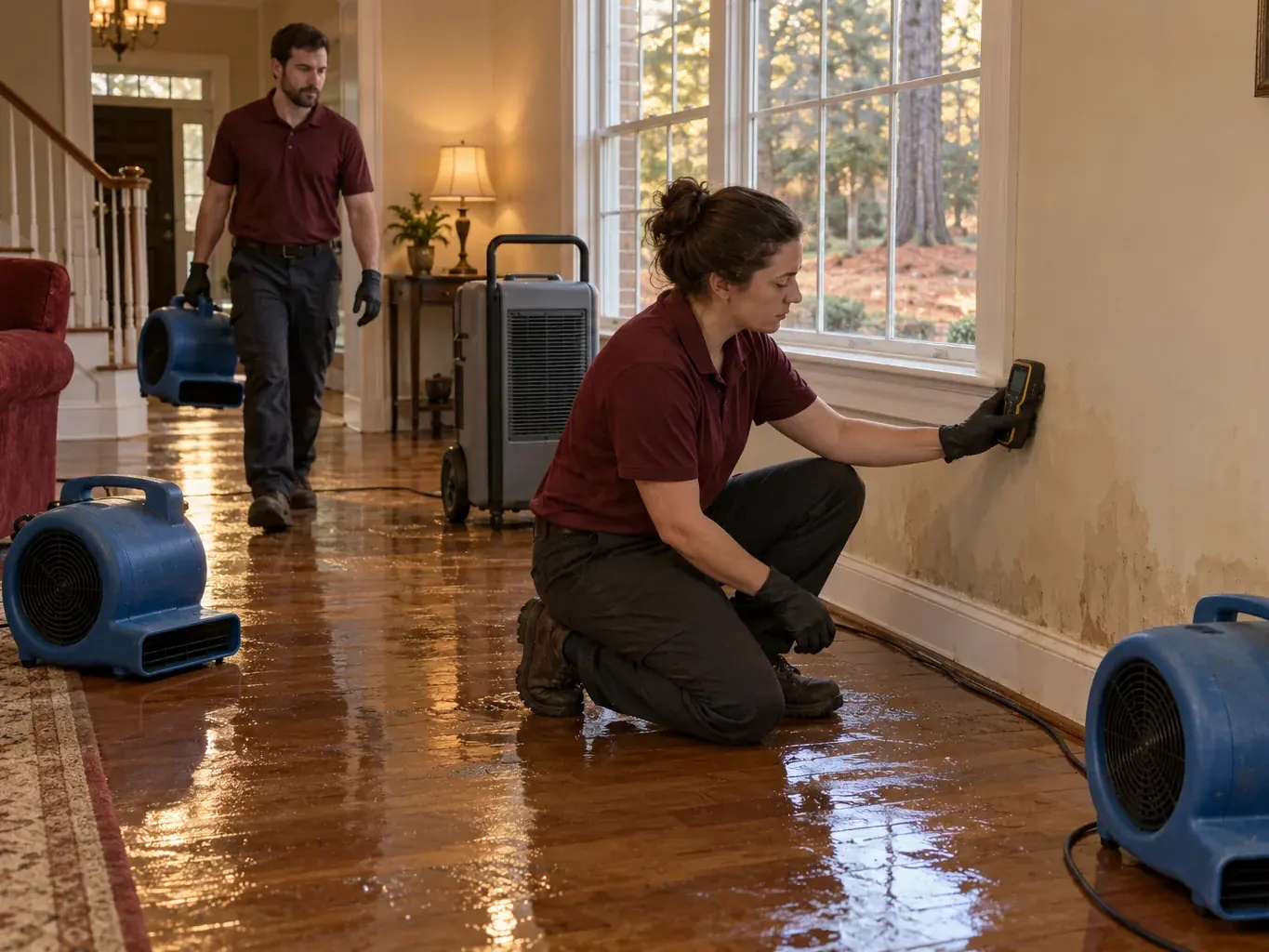
Our local water damage professionals assess leaks, extract water and dry affected rooms in Sandy Springs, GA. For water damage restoration after an overflow or spreading floor stain, call and describe the damage so a local professional guides the next step.
- Calls answered 24/7
- Water removal and drying
- Serving Sandy Springs and nearby
Sandy Springs Water Cleanup and Drying
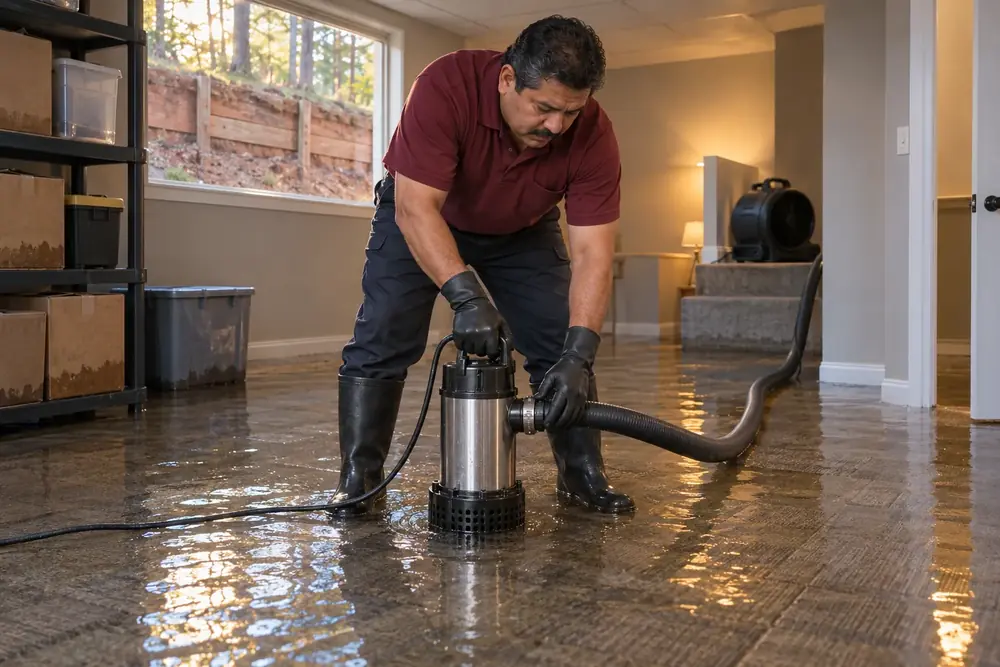
Water spreading from a bathroom or kitchen can reach flooring, lower walls and adjacent rooms. Sandy Springs cleanup addresses standing water, saturated finishes and hidden dampness, with the drying plan based on moisture checks.
Indoor Leaks and Sandy Springs Runoff
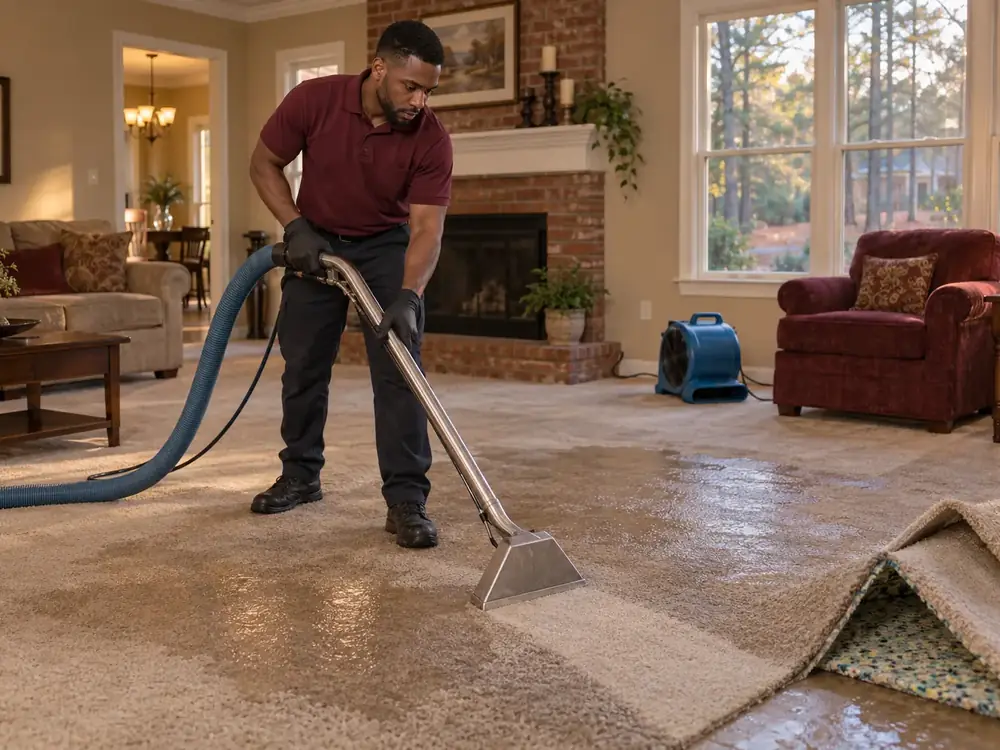
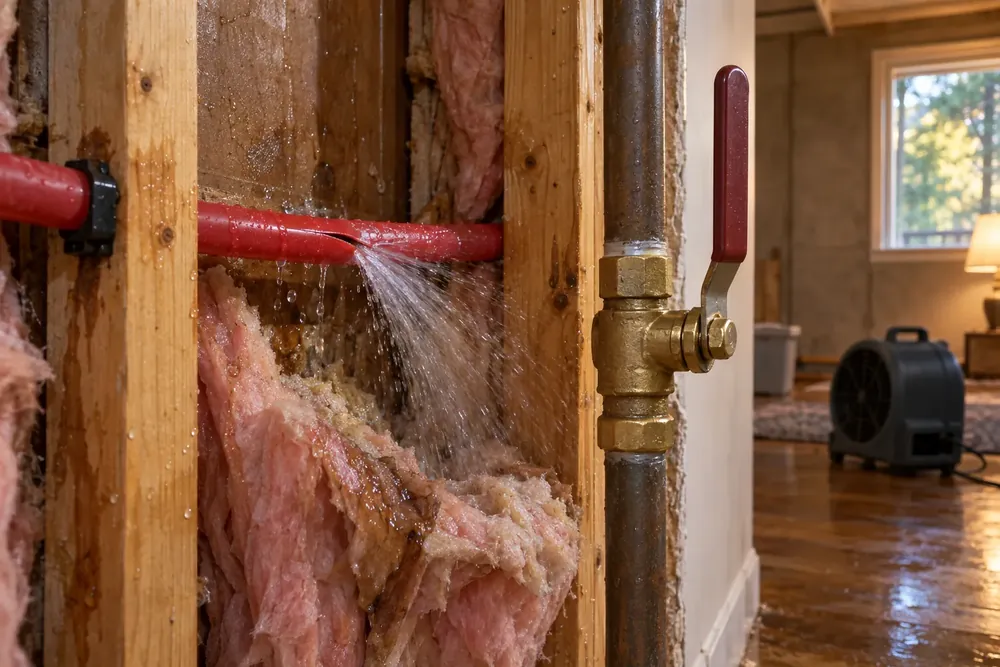
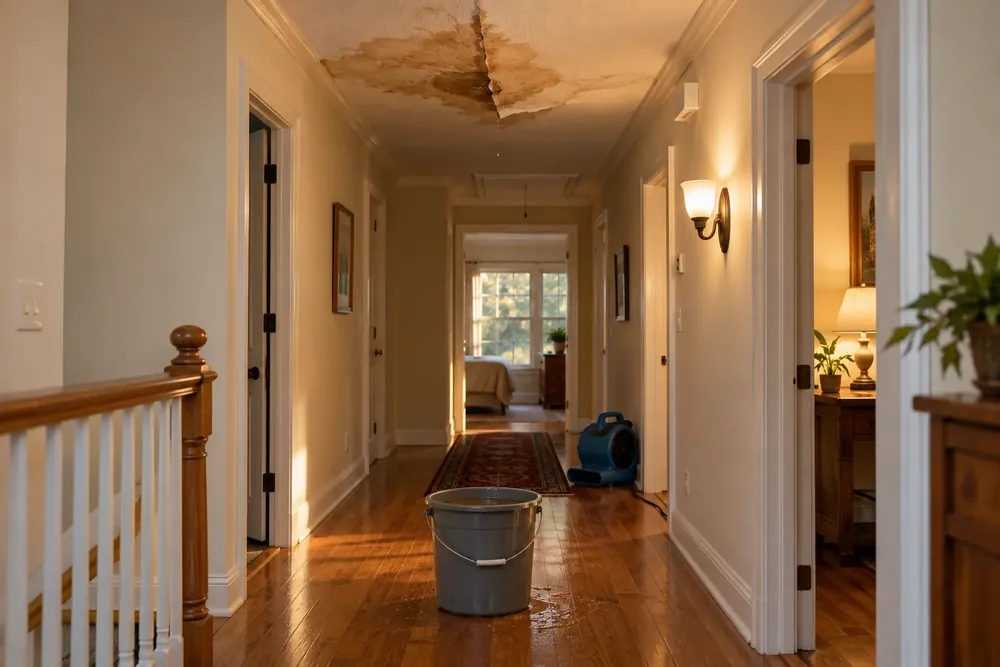
An upstairs bathroom leak can mark a ceiling downstairs while water travels inside the wall. Water heater leaks, loose supply connections and split appliance hoses can soak floor edges; a blocked HVAC condensate line adds another possible source. Softened walls call for drywall water damage repair. Sandy Springs, GA, residents can describe where the stain first appeared.
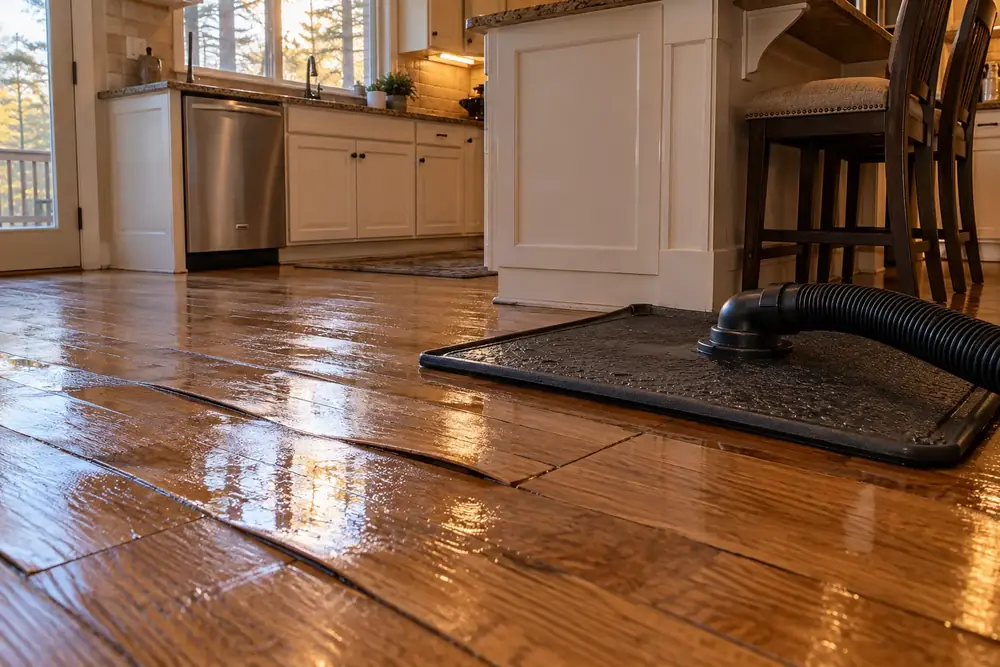
Floorboards can retain water underneath after the top feels dry. Call about raised seams or cupping near the original leak to discuss wet hardwood floor repair in Sandy Springs. Your technician measures affected materials before explaining drying and replacement options.
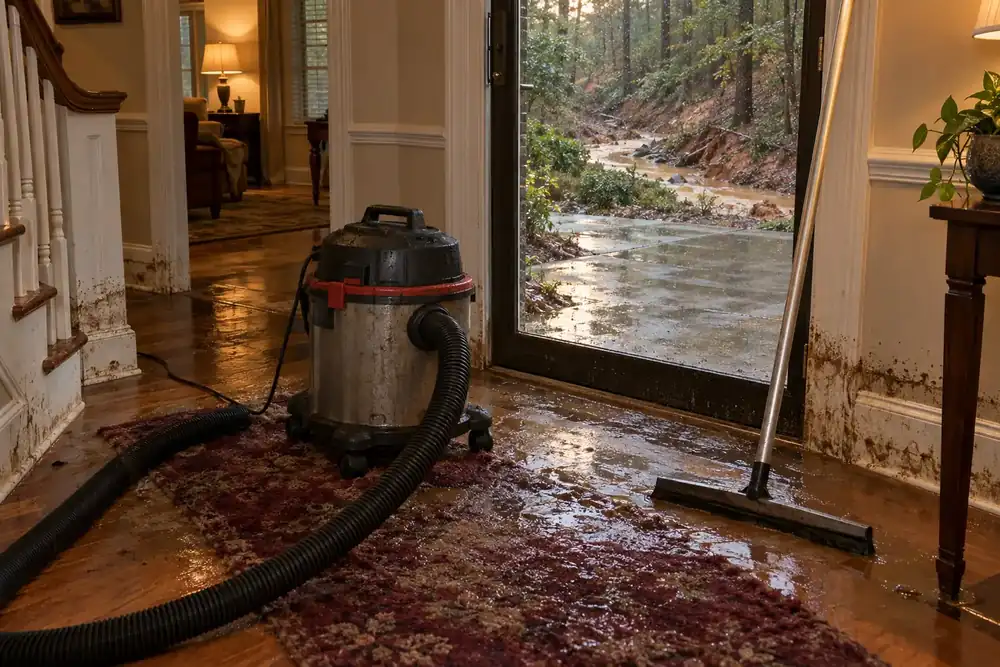
Runoff is another concern: the city's Nancy Creek information describes how debris in creeks can restrict flow and contribute to flooding. Report water entering through an exterior door or low opening during the call. If sewage backup cleanup is needed in Sandy Springs, keep people and pets away from the affected room. The water source and contamination determine how surfaces and porous materials are handled.
Your Sandy Springs Cleanup Steps
- Describe the leak or overflow when you call, and share your Sandy Springs street address. Mention water outside the house or drains backing up as well as indoor damage.
- An inspection maps the wet area and considers the cause. Atlanta water service and county sewer maintenance matter when the problem involves public utility infrastructure.
- Water removal and necessary material removal prepare the space for drying. The setup for structural drying in Sandy Springs matches the moisture inside floors and walls.
- Follow-up measurements show drying progress. Your technician discusses remaining damage and the repair work needed after materials reach the drying goals.
Utility Reports and Sandy Springs Repairs
Separate water and sewer contacts
Sandy Springs gets water service from Atlanta's Department of Watershed Management, while Fulton County maintains the sewer system. The city's utility information directs drinking-water and water-main problems to Atlanta, and sewer blockages to Fulton County Sewer Services.
A wet room still needs its own inspection even when a public-line problem is being reported. Call about the indoor damage and explain whether water is collecting outside or several drains are affected. Your technician examines the path through the house and distinguishes source repair from extraction, cleaning and drying. A utility report and indoor cleanup address different parts of the problem.
Permit planning for construction
Sandy Springs requires a permit before construction or site work begins, with applications and inspections managed through its Build Sandy Springs permitting process. Repairs that extend into construction need that requirement considered when the scope is developed.
Call now about damp drywall, swollen flooring or water inside a wall. The assessment identifies the work needed before rebuilding starts. One of our local water damage partners reviews the affected materials, proposed work and associated price with you before work proceeds. Moisture depth, contamination and the amount of material removal all influence that proposal.
Neighborhoods We Serve in Sandy Springs
Glenridge Hammond and Highpoint are residential areas in Sandy Springs. The neighborhood association describes Glenridge Hammond's predominantly brick ranch homes. A call about water damage can start with the room affected and how water entered; include the street address so the conversation stays focused on the individual house.
Also serving near Sandy Springs:

Sandy Springs Water Damage FAQs
- What should I do about standing water in a Sandy Springs room?
Call for removal and stay out of water near electrical outlets or appliances. When you call for emergency water removal in Sandy Springs, explain whether the water came from a fixture, a backed-up drain or outside. The inspection evaluates contamination and hidden saturation, then establishes the cleanup needed for the affected rooms.
- Will wet floors and walls dry on their own?
Exposed surfaces may dry while flooring layers and wall cavities remain damp. Moisture checks after water extraction in Sandy Springs establish whether additional drying is necessary. The time depends on material thickness, saturation and access. Your technician uses repeat measurements to judge progress and explain when the damaged area can move into repairs.
- Can cleanup records document damage for insurance?
Cleanup records can document the condition of the house with dated photos, moisture measurements and a written work scope. Ask for records identifying the Sandy Springs rooms affected and the materials removed or dried. Updates showing the drying progress help keep the account of the damage and the completed work organized in one place.
- Should I call a plumber or arrange water damage cleanup?
Arrange cleanup for wet building materials, and involve a plumber when an indoor supply or drain pipe needs repair. Sandy Springs public water-main problems are reported to Atlanta's watershed department; sewer system issues go to Fulton County. Call about the room damage while the source is being addressed, so concealed moisture also receives attention.
- What information matters during a Sandy Springs water damage call?
Your location, the rooms affected and any ongoing water entry help establish the next step. Share what you notice while you're speaking, including stains on another floor or water around an appliance. An inspection follows to evaluate moisture, removal needs and repairable materials, with the proposed work explained before you decide how to proceed.